

How often do you finish a novel, closing that last page, and feel something bigger than yourself? As if the book was designed by an architect with enough imagination to construct universes and galaxies? Okay, that’s a bit hyperbolic, but if you have ever read a book in your life, which I’m sure that you have, then you understand the feeling that I’m talking about. I won’t call it magic. But it’s something, well, unsayable.
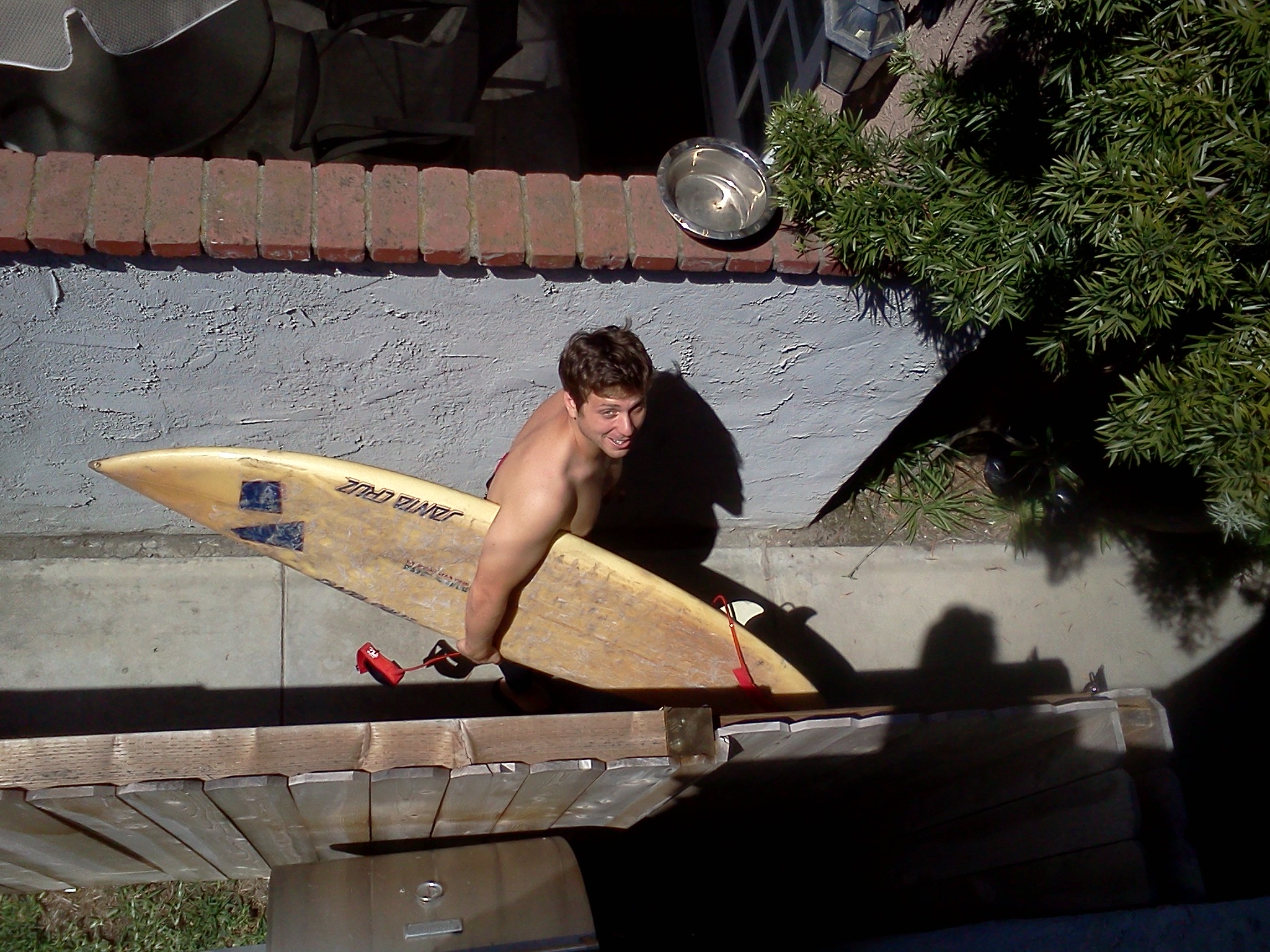
Anyway, it was the summer, and I had some books to read. All throughout the summer, I dreaded reading those books on the reading list almost as much as losing my house.
But my father had come up with the idea, that instead of my brother and me helping with the move — the “trauma” of placing our memories into boxes and physically dissembling the home that had already fallen apart emotionally — my father decided to take us on a trip to Myrtle Beach. That would mean that my mother and my grandparents would have to take care of moving.
So, my grandparents paid for some movers to help with the process, and my brother and I were in Myrtle Beach, running up and down the beaches, seizing the day, raging against the dying of childhood. I spent most of the day boogie boarding. Yeah, yeah, I did enjoy myself, but in the moments between the fun, I couldn’t help but think of my mom unpacking our lives. I couldn’t help but think of the divorce. I couldn’t help but think of the disappearing home.
The thoughts became so intense that I stopped caring about the ocean or Myrtle Beach. I stopped caring about fishing. I stopped caring about vacation, and I just sat on the beach, reading my books on the reading list. The first book was Kurt Vonnegut’s, Slaughterhouse Five. That might have been the first time that I chose, deliberately, reading over “play.”
My father kept jumping back into the ocean with my brother, and my Uncle was drinking a mudslide on the beach. They kept trying to get me to leave my chair, but I refused. I didn’t want to leave the world of Billy Pilgrim. The way he jumped around in time, it made me wonder about the way that I was existing. Could I, like Billy Pilgrim, float back and forth through time, too? Was time only a fault of human’s inferior perceptions? Ah, I’m getting way too nerdy. But it’s really not that crazy; it’s exactly what Einstein was talking about with time travel. It was exactly what Faulkner meant when he said: “The past isn’t dead. In fact, it’s not even past.”
Sometime around then I closed the book, and I looked up. I saw my Uncle sipping from a straw. I saw my father running down the beach after my brother. I heard the lifeguard flag slapping in the wind. A man cast and reeled a fishing pole. The ocean ceaselessly crashed against the beach. I shut the book, and I knew that I would never be the same again.
