

Before I was even born, my mother was playing music directed towards her womb so I could hear. My mother used to sing at church, and for hours a day she was in our basement, playing and singing in front of a beat-up upright piano. The keys were jagged, and they would cut you if you weren’t careful. She taught my brother and me how to play.

I hated the music school at Stetson. I liked the people, but I hated the program. And it was a top-notch program — just not for me. I wanted to play the drum set, and I wanted to play the set LOUD. I used to go into the drum room, and one of the teachers used to complain that he couldn’t concentrate. So I quite to become a writing major, which is eventually my chosen path.
But even though music isn’t what I wanted to center my life around, it still plays an integral part of my day and my writing. Let me explain.
I listen to music when I write. It helps set with the tone and structure for what I’m writing. For example, right now I’m listening to Keith Jarrett with the New Japan Philharmonic Orchestra. I write about music at the Heard Mentality. Though there is something so much more about music in my life. Something, dare I say, spiritual. When I write, maybe more in terms of creative writing like poetry or fiction, the words, to me, are no different from music. It’s the same thing, and I hope they have the same effect as music — though it’s a very hard thing to pull off. Let me break it down a bit further. Have you ever heard a piece of music that just lifted you with so much light that you no longer were even in the room; you were no longer an individual; you were no longer just listening to sounds but partaking in an experience?
Well, I want writing, not a blog per say, but something creative, to achieve that goal. And I want to read stories and poems that make this happen. For example, Slaughter House 5, Dybek’s Chopin in Winter, Denis Johnson’s Work, Philip Levine’s poetry.
I first started to think this was possible when I was around 17. I was lucky enough to study with Stuart Dybek at the Prague Summer Program back in the summer of 2007. Studying with Dybek and reading his work changed my writing for many reasons. Ah, I wish I could find the quote I’m looking for, but I’m a bit tired and I’m going to try to have to paraphrase. I believe he was talking about his story, “The Palatski Man,” and Zoltan Kodaly, the Hungarian composer. Basically, there was no difference for Dybek between the music of Kodaly and his story. They were identical.
Well, I think it makes a ton of sense to think music can be the same as a story, a painting, or really anything else. Sometimes (and I used to be ridiculed for these ideas) I see no difference in the mediums and genres. Yes, the techniques are different, but the ideas and philosophies, the emotion, is something we can talk about across genre. For me, I have learned more about writing from Van Gogh than I have any grammar class.
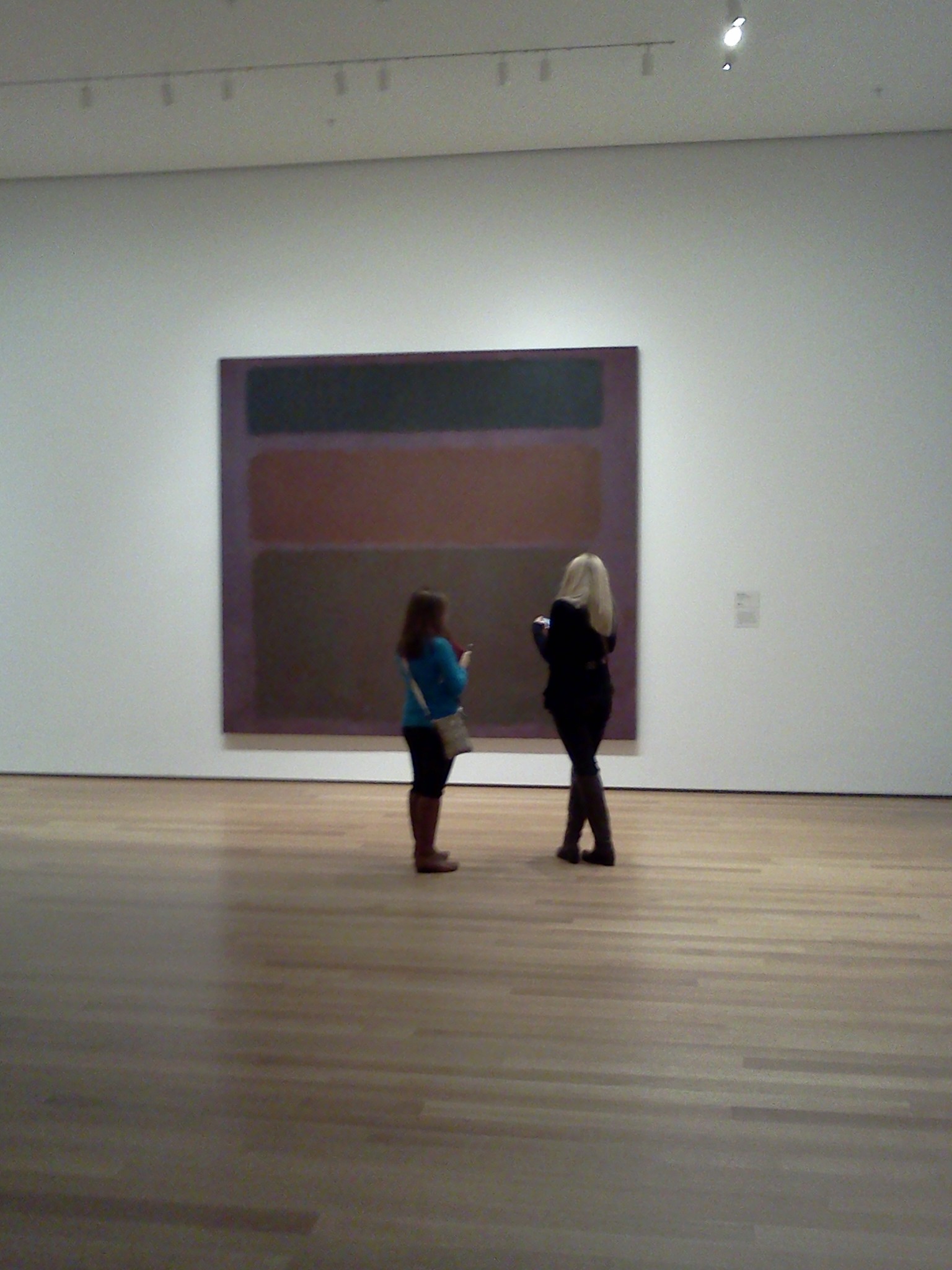
Well, okay, I’m done. Music still exists in my life, because it’s below every word, every phrase, every rhythmic explosion bursting from the images that makes language pop at the seams into a world that is beyond the page. I don’t know. I might need to explain this, or sort this out, over a couple of blogs.
